A Polish Runner Who Started in Her 50s Died Weeks Before Her 90th Birthday
Janina Rosińska began competitive running in her 50s and raced at 89 in Toruń. Her story shows how late a running life can begin.

Discover how the 2024 Paris Olympics will introduce the repechage system in track and field, offering athletes a second chance to qualify for semifinals and enhancing competition fairness.
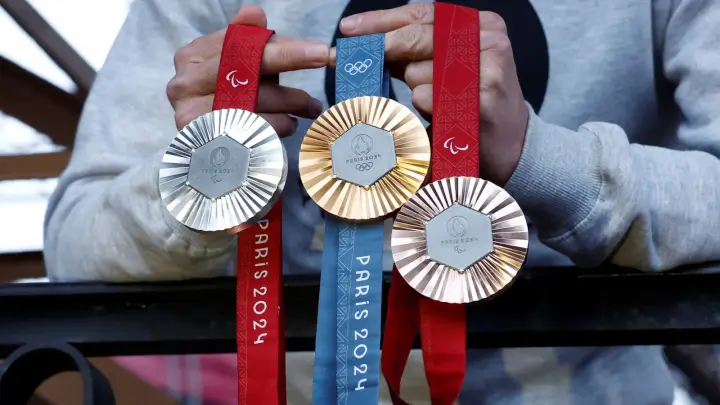
The 2024 Paris Olympics will introduce a new concept in track and field competitions called "repechage," a format that provides athletes with an additional opportunity to qualify for the semifinals if they do not advance in their initial heat.
This change applies to individual track events from 200 meters to 1500 meters, including hurdle races.
The introduction of repechage aims to increase fairness and enhance the competitive spirit by ensuring every participant has at least two chances to move forward in their event.
Under the traditional qualification system used in previous Olympics, athletes advanced to the semifinals based primarily on their times in the heats. The top three finishers in each heat automatically progressed, and the remaining semifinal spots were filled by the fastest non-qualifiers. This often led to situations where athletes with slower times in weaker heats advanced over faster athletes in stronger heats.
The repechage system will change this dynamic. Athletes who do not qualify in their initial heat will enter a repechage round, offering them another chance to qualify for the semifinals.
This method ensures that performance across all heats is more equitably considered, and it helps maintain a high level of competition throughout the event.
World Athletics President Sebastian Coe highlighted that the repechage rounds would bring more visibility to the sport during the peak Olympic period. The schedule for these rounds is designed to ensure that each event receives adequate attention without overshadowing others.
For example, in the men's 200m event, the first round is on August 5, followed by the repechage on August 6, the semifinals on August 7, and the final on August 8. This pattern is similar for other events like the 400m, 800m, and various hurdle races.
In practice, the repechage rounds will be incorporated into a total of six distances for both men and women, ensuring that every athlete competes in at least two rounds.
The addition of this round does not affect the 100m events, as these already include preliminary heats before the first official round. Long-distance events are also excluded from the repechage system due to the impracticality of having multiple rounds in a short period.
The implementation of the repechage system is expected to enhance the overall fairness of the competition and provide a more engaging experience for both athletes and spectators.
By guaranteeing that all athletes get a second chance to advance, the system seeks to reward consistent performance and reduce the impact of any single poor run.
Overall, the introduction of repechage rounds in the 2024 Paris Olympics marks a significant shift in track and field competitions, promising a more equitable and dynamic athletic experience.
Start your running journey today!
No spam. Cancel anytime.