Download our Free 8-Week Plan here →

Finish Line Surge Linked to Spike in Cardiac Arrest Risk, Paris Race Study Finds

March 3, 2026
By
Anna F.

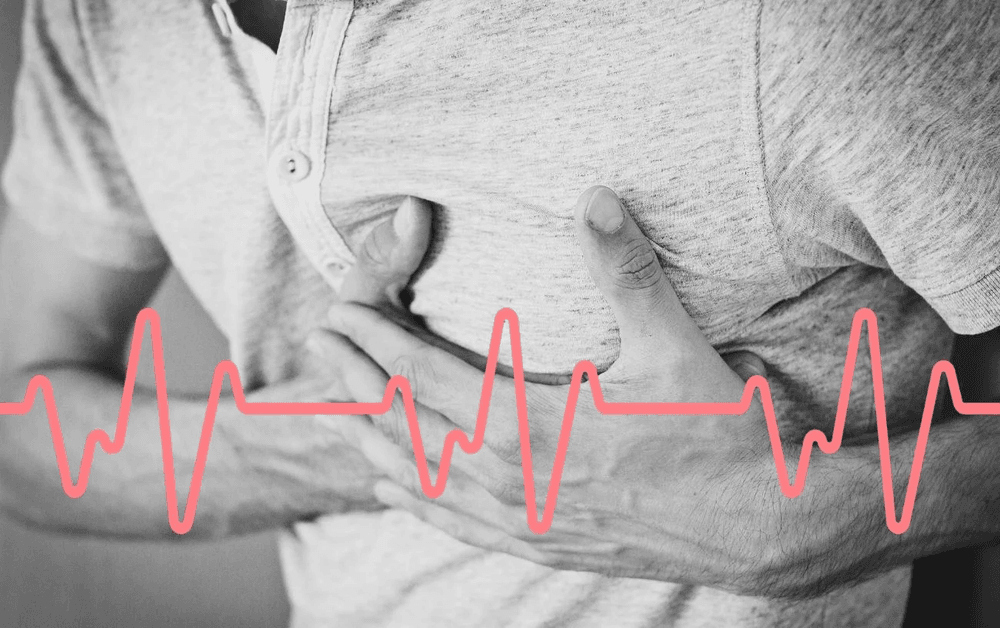
Paris race data covering 1.2 million+ participations shows sudden cardiac arrests are rare but disproportionately concentrated in the final kilometer especially in the 20 km and half marathon highlighting the “finishing surge” as a potential trigger and the value of rapid on-course response.

​A decade of race data from Paris suggests the most dangerous stretch of an endurance event may not be the opening climb or the long grind in the middle, but the final kilometer.

​A new analysis drawing on more than 1.2 million race participations between 2011 and 2024 examined sudden cardiac arrest cases during the Paris 20 km, the Paris Half Marathon, and the Paris Marathon.

​Researchers combined registry data from the Paris Sudden Death Expertise Centre with official race results to identify adult cardiac arrests occurring on race day within a defined time window.

​Across those events, 17 sudden cardiac arrests were recorded. The absolute risk remains low.

Incidence was 16.9 per million participations in men and 5.7 per million in women, with 15 of the 17 cases occurring in male runners. The average age was 42.

​The striking pattern was location. In the 20 km race, 6 of 7 arrests occurred in the final kilometer. In the half marathon, 3 of 5 clustered in the same stretch. The risk of arrest in the final kilometer of the shorter races was more than 15 times higher than elsewhere on the course.

​Researchers point to the final surge, where runners often accelerate sharply, as a potential trigger. Most half marathon finishers sped up at the end, with men nearly twice as likely as women to surge.

​Survival outcomes were strong, with 88 percent discharged with good neurological status, underscoring the importance of rapid on-site response.

You Might Also Like

6 Common Running Injuries and How to Avoid Them

Learn how to spot and prevent the six most common running injuries from runner’s knee and shin splints to plantar fasciitis and IT band pain by managing training load, improving strength and form, and prioritizing recovery.

15 Best Supplements for Runners (What Actually Helps Performance and Recovery)

Supplements can help runners chase small gains, but most don’t need many. This guide cuts through the hype with evidence-backed picks for pre-run energy, long-run fueling, and faster recovery without replacing the fundamentals.

The 99-Year-Old Who Still Works Out and What Her Routine Can Teach Us

Meet the 99-year-old woman quietly rewriting what aging “should” look like by sticking to simple strength training, daily walking, and mobility work that keeps her strong, steady, and fiercely independent.

6 Effects of Aging That Running Can Help Counteract

Regular running after 40 can help you stay strong and sharp by supporting heart health, slowing bone and muscle loss, improving digestion, protecting cognitive function, managing weight, and boosting confidence as your body changes with age.

The Mental Mistake That Can Sabotage Tough Runs, According to Sports Psychology

Hard runs hurt, but sports psychologist Mike Gross says the biggest performance threat isn’t the pain it’s the mental “second arrow” that turns discomfort into suffering. Practice curious awareness to observe sensations without spiraling into doubt.

Marathon vs Half Marathon; New Study Reveals Which Race Hits Your Heart Harder

Marathon or half marathon: new heart scans from the 2023 Silesia Marathon suggest both distances cause only small, short-lived dips in heart performance for most recreational runners, with readings returning to normal within two weeks.