9 Rookie Mistakes That Ruin First Marathons (And How to Avoid Them)
Nine first-marathon mistakes coaches see every single year, from training and nutrition to race-day pacing. Learn each one before your start line.

I know how challenging it can be to make running a regular part of your life, and I believe these 5 tips can make a big difference.

So, let's dive into how you can make running a habit—and start loving it!
When it comes to running (or anything, really), it’s all about starting small.
Think of it like trying coffee for the first time—you probably didn’t love it at first, but over time, with a little persistence, it became part of your routine.
The same goes for running.
Start with a simple goal like running for 10 minutes a day, five days a week.
Once that becomes second nature, you can gradually build up.
If you want to reach your goals faster and avoid injuries, I can create a custom training plan tailored to your needs. Click this link for more information.
Life gets busy. I totally get that. But to make running a habit, you need to carve out time for it.
Put it on your calendar, set a reminder, and treat it like an important meeting you can’t miss.
And because life can throw curveballs, have a backup plan.
If the weather's bad or your schedule changes, know your alternatives—like hitting the gym or running at a different time of day.
If you're planning to run in the summer heat, this article might be just what you need!

Sometimes, we need a little extra push.
Whether it's a friend you check in with or a group you run with, having someone to keep you on track can make all the difference.
Plus, it's more fun to celebrate your progress with someone!
If you don't have someone to keep you motivated, try using Strava!
There's a whole community of runners ready to cheer you on!
Since Strava is gaining a lot of popularity, it's easy to find cheaters as well. Read this guide to identify cheaters on Strava and avoid them!
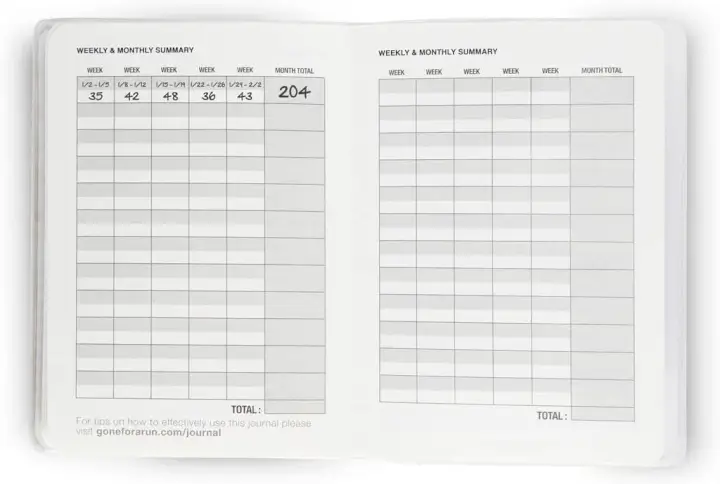
Tracking your progress over time is a powerful source of motivation that can inspire you to push further and achieve more.
Whether you're using a high-tech fitness tracker, a user-friendly app, or something as simple as a notebook, documenting your runs is crucial for staying on track.
Watching those miles accumulate, one by one, brings a deep sense of accomplishment and serves as a constant reminder of how far you've come.
If you're someone who enjoys the tactile experience of writing things down, a running log journal might be the perfect tool for you.
Not only does it offer a more personal touch compared to digital devices, but it also provides a physical record of your journey that you can look back on with pride.
For example, there's a highly recommended running log journal available on Amazon that stands out for its thoughtful design and practicality, making it an excellent choice for runners who prefer to keep their training records on paper.
It's essential to celebrate your victories, no matter how big or small they may be.
Recognizing and rewarding your achievements is a crucial part of building and maintaining new habits.
Whether it's indulging in a post-run treat, enjoying a glass of wine, or simply marking off another successful day on your calendar, these rewards serve as positive reinforcement that encourages you to keep going.
The key is to find what resonates with you personally and incorporate it into your routine.
By doing so, you'll not only reinforce the progress you've made but also create a cycle of motivation that propels you forward in your journey.
Making celebration a consistent part of your process turns each victory into a stepping stone, helping you stay committed to your goals and making the entire experience more enjoyable and fulfilling.
Personally, after a successful training week, I love to reward myself with a pizza night on Sunday evening—it's the perfect way to unwind and celebrate the hard work I've put in!
Incorporating running into your routine might seem daunting, but with the right strategies, it can become a habit you genuinely enjoy.
Start small with clear goals, schedule your runs like important meetings, and keep yourself accountable. Tracking your progress and celebrating your milestones will keep you motivated.
Remember, running isn’t just about the miles—it’s about finding joy in the process and making it a rewarding part of your life.
So, take that first step, and watch as running transforms from a task into a habit you love.
If this article helped you, share it with other runners who might benefit!
Start your running journey today!
No spam. Cancel anytime.