Proper Running Form: 4 Essential Tips and Techniques
Improve your running form without copying anyone: use the simple STAR cues (shoulders, tall posture, arms, relax) to run smoother, waste less energy, and cut injury risk.
Running isn’t just exercise it’s rituals, food math, GPS ceremonies, secret dawn wins, and calendar-wide race obsession. A look at the small, strange satisfactions only runners truly understand.
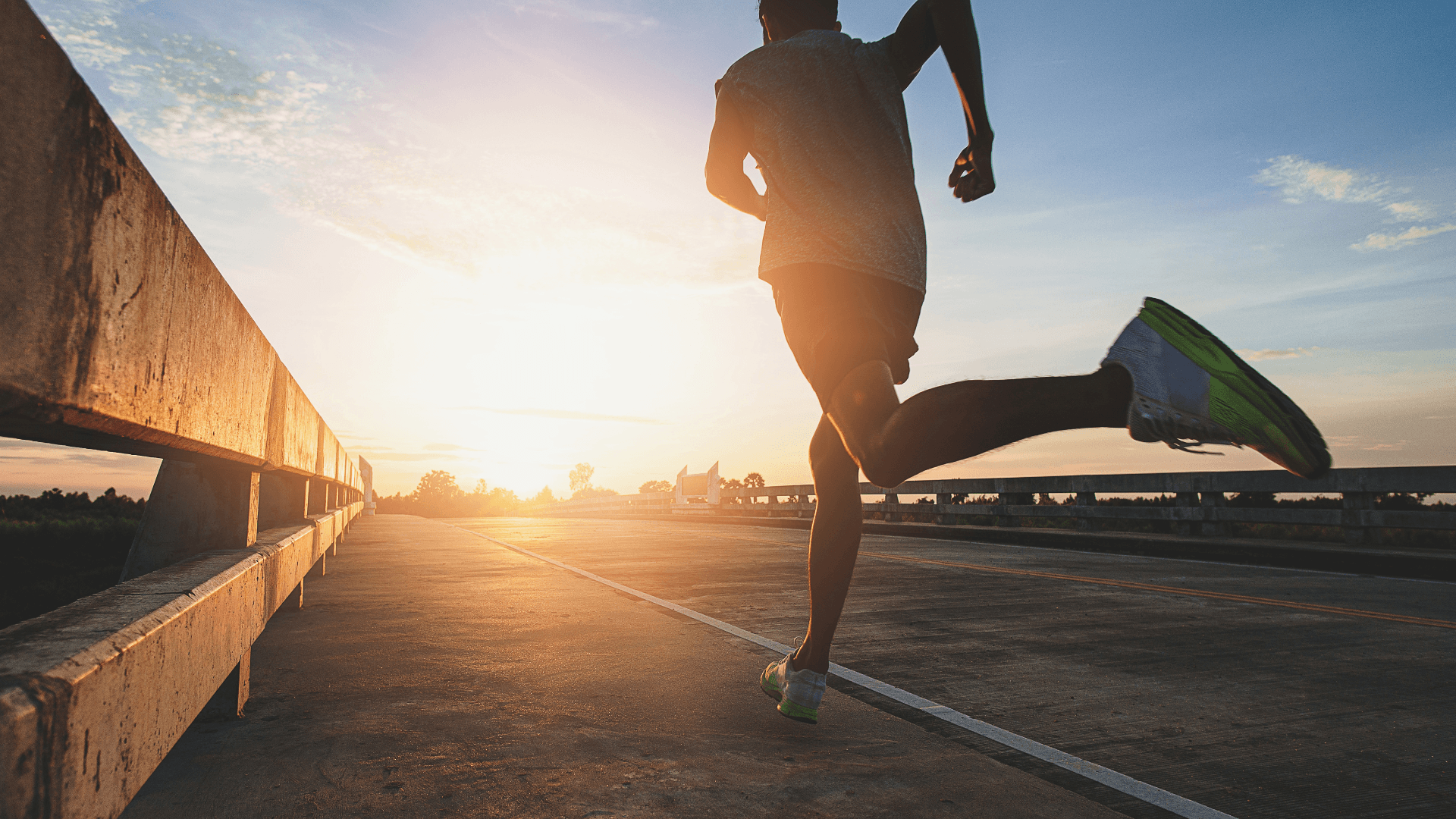
There’s a certain type of person who willingly wakes up before sunrise, checks the weather like a pilot, and steps outside not because they have to, but because something inside them insists. Runners live in a slightly altered reality. It’s not dramatic from the outside, but from within, everything is calibrated differently: time, effort, reward, even joy.
To non-runners, it can look repetitive, even monotonous. To those inside it, running is a system of rituals, small negotiations, and strange satisfactions that are difficult to translate. These are the things that rarely make it into training plans or race recaps, but quietly define the experience.
Running turns food into strategy. Calories are no longer just indulgence or routine. They’re fuel, timing, recovery, and sometimes motivation.
Mid-run thoughts drift less toward philosophy and more toward specifics: what you’ll eat when you’re done, how soon, and how much. Not in a frantic way, but in a grounded, almost logistical sense. You start to understand your body as a system that needs refueling, not just feeding.
The irony is that some of the best meal ideas arrive not in the kitchen, but somewhere between kilometer six and ten.
Before running, shoes are aesthetic. After running, they’re technical equipment.
You stop seeing them as “pairs” and start seeing them as tools with distinct purposes: long runs, intervals, recovery jogs, races. Cushioning, drop, responsiveness. These are terms that once sounded abstract now feel tangible underfoot.
Spending a significant amount on running shoes starts to feel entirely reasonable. Spending the same on anything else feels… questionable.
Running teaches you to reinterpret discomfort. Not all pain is equal, and over time you learn to distinguish between what signals growth and what signals risk.
There’s a zone (not quite comfortable, not quite overwhelming) where progress happens. Runners spend a lot of time there. It’s where breathing sharpens, focus narrows, and the body adapts.
From the outside, it may look like suffering. From the inside, it feels like calibration.
There’s a quiet moment before every run that looks oddly ceremonial: standing still, arm slightly raised, waiting.
A GPS signal connecting isn’t just a technical detail, it’s the official start. Without it, the run feels unrecorded, almost invisible. With it, every step counts, literally.
It’s a small dependency, but one that runners understand intimately. The run hasn’t truly begun until the watch says so.
Runners develop a relationship with mornings that goes beyond preference.
Early hours offer something rare: uninterrupted space. Fewer cars, fewer people, fewer demands. The world feels paused, and in that pause, running becomes simpler.
Going to bed earlier stops feeling like a sacrifice and starts feeling like preparation. Not for sleep itself, but for what happens after waking.
There’s a particular satisfaction in completing a run before the day officially begins.
While others are still asleep, you’ve already moved, sweated, and reset. It creates a subtle psychological shift. The sense that you’re ahead, not in competition with others, but in alignment with your own plan.
By the time the world catches up, you’re already in motion.
No one starts running thinking about friction. Eventually, everyone does.
It’s one of those details that rarely gets mentioned in beginner guides but quickly becomes part of the learning curve. Fabric choice, seam placement, weather conditions, suddenly these things matter in very specific ways.
At some point, races stop being occasional events and start becoming anchors in your schedule.
You don’t just plan for them, you orient around them. Training blocks, recovery weeks, travel plans... all shaped by dates on a calendar that holds more meaning than it seems.
Even browsing races can feel like possibility. New routes, new cities, new versions of yourself to test.
Logic suggests that the most important sleep should happen the night before a race. Reality disagrees.
Anticipation, nerves, logistics... they all surface at once. You think through pacing, weather, what to wear, what to eat. Sleep becomes fragmented, shallow, or delayed.
And yet, the body still performs. Because what matters most isn’t that single night, but the weeks leading up to it.
Every sport has its benchmarks, but in running, some achievements carry a particular kind of recognition.
Qualifying standards, personal bests, finishing distances you once thought impossible. They become markers not just of fitness, but of identity.
After a cold run, something as simple as a hot drink can feel extraordinary.
It’s not just the temperature, it’s contrast. The shift from cold air to warmth, from movement to stillness. Coffee, tea, hot chocolate... whatever it is, it lands differently.
These small rewards become part of the ritual. Not earned in a transactional sense, but deeply appreciated.
Over time, your body starts to reflect your habits.
Watch lines, sock lines, shorts lines. Patterns that don’t align with typical expectations of sun exposure. They’re oddly specific, and instantly recognizable to other runners.
They’re not something you aim for, but they become part of the visual language of the sport.
Running regularly builds momentum. Rest interrupts it.
Physically, rest is necessary. Mentally, it can feel uncomfortable. There’s a temptation to do “just a little,” to maintain the rhythm, to avoid feeling like you’re slipping.
But choosing not to run intentionally and strategically is part of the process. It’s a different kind of effort, one that doesn’t show up on a watch but matters just as much.
Running reshapes how you spend time with others.
Meeting for a run becomes a default way to connect. Conversations happen in motion, side by side rather than face to face. Time feels more flexible, more integrated.
At the same time, schedules can drift away from those who don’t share the habit. Not dramatically, just gradually. Priorities shift, and with them, availability.
It’s not about choosing one group over another. It’s about the way running reorganizes time and how people fit into it.
Start your running journey today!
No spam. Cancel anytime.